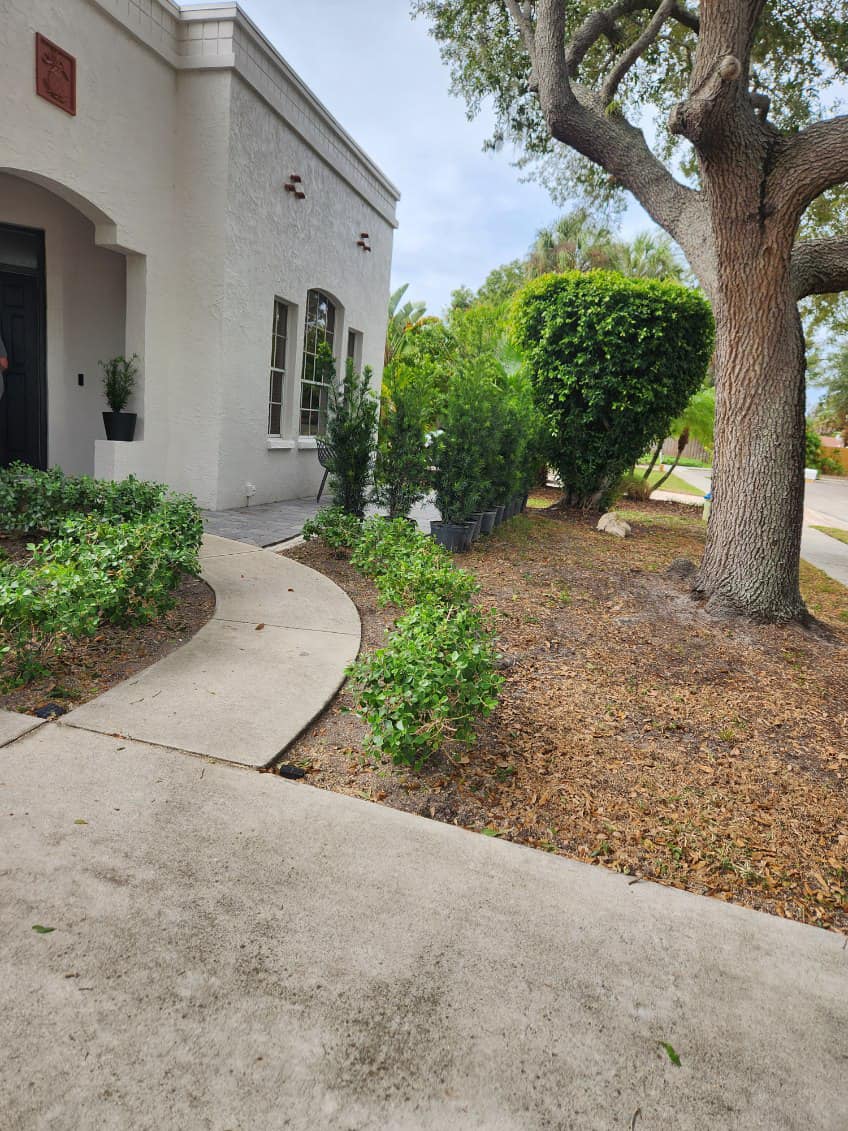
The Aesthetic Value of Trees: Design Tips for a Stunning Landscape May 31, 2026
To begin, consider the placement and spacing of your trees. It's important to account for the mature size of each tree species you choose. This ensures trees have enough room to grow without crowding or overshadowing each other. Proper spacing also prevents competition for light and nutrients, which can lead to healthier, more vibrant trees. When selecting trees, think about how they will complement your home and other elements of your landscape throughout the seasons.
Color plays a significant role in the aesthetic appeal of your landscape. Consider planting trees that offer a variety of seasonal colors. For instance, maples and oaks provide fiery reds and oranges in the fall, while magnolias and cherry blossoms burst with pastel hues in the spring. Incorporating a mix of evergreen and decidaceous trees can ensure that your landscape remains visually interesting all year round.
Height variation can add depth and dimension to your landscape design. By combining trees of different heights, you create a dynamic, layered look. Tall trees such as pines or spruces can serve as a dramatic backdrop for smaller trees and shrubs. Meanwhile, shorter flowering trees like dogwoods or buckeyes can act as focal points or be grouped to form a border. This variation not only enhances the visual appeal but also creates natural barriers or privacy screens within your outdoor space.
Another consideration is the overall theme of your landscape. Whether you're aiming for a serene, Zen-like garden or a vibrant, rustic setting, the choice of tree species will greatly influence the ambiance. For a minimalist design, opt for trees with elegant silhouettes and subtle colors. For a more exuberant garden theme, consider trees with bold foliage and striking flower displays.
Adding trees with unique characteristics can serve as conversation starters and enhance the personal feel of your yard. Trees with interesting bark textures, like the paperbark maple, or those with unusual shapes, such as the contorted filbert, offer visual intrigue and can be used as standalone elements to attract attention.
Finally, it's crucial to think about the functional aspects of trees in your design. Trees can provide natural shade, reduce energy costs, and serve as windbreaks, contributing to eco-friendly and cost-effective landscaping. Placing trees strategically around your property can enhance comfort and usability, making your outdoor space a more enjoyable place to relax and entertain.
In conclusion, the aesthetic value of trees in landscape design goes beyond mere decoration. With thoughtful planning and strategic placement, trees can enhance both the beauty and functionality of your property. Whether you’re starting from scratch or looking to revamp your current landscape, consider enlisting the expertise of Nick of Time Tree Service to ensure your project is both stunning and successful. By integrating a diverse selection of trees into your design, you can achieve a timeless, picturesque landscape that enhances your home’s curb appeal and provides endless enjoyment.
/filters:no_upscale()/filters:format(webp)/media/91ac66c6-4e9e-4903-bb24-ac89388a9861.jpeg)
/filters:no_upscale()/filters:format(webp)/media/8286790b-cd7b-4424-b22e-4a2022b13c2a.jpeg)