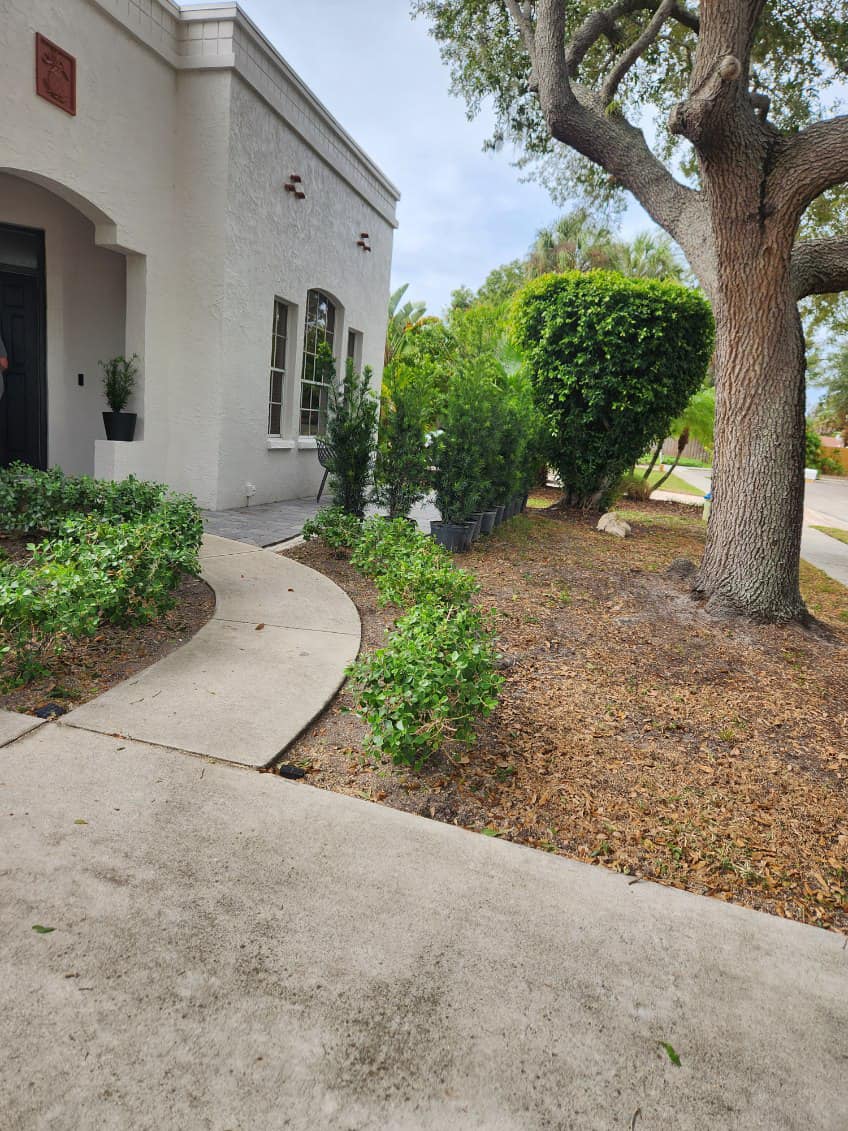
When to Trim, When to Remove: Key Considerations for Tree Safety and Aesthetics Jan 01, 2026
First, it's essential to understand the difference between tree trimming and tree removal. Trimming involves cutting back branches to improve the tree's structure and promote healthy growth. Removal, on the other hand, is taking the entire tree out, usually due to dead or hazardous conditions. Deciding which action to take depends on various factors, including the tree's health, location, and impact on your property.
Health is the primary concern when evaluating a tree. A healthy tree provides many benefits, such as shade, oxygen, and improved property aesthetics. If a tree is diseased, dead, or infested with pests, removal might be the best option. Signs of a sick tree include discolored leaves, brittle branches, or hollow trunks. Ignoring these symptoms can lead to more severe issues, such as falling branches or the spread of disease to other trees.
Next, consider the tree's location. Sometimes, trees grow too close to power lines, buildings, or other structures, creating potential hazards. In such cases, trimming can help manage the branches that threaten wires or structures. However, if the tree poses a significant risk or if trimming compromises its stability, removal might be necessary. Professional assessments from companies like Nick of Time Tree Service can provide clear guidance on the safest action.
Another critical factor is aesthetics and landscape planning. Trees that overshadow gardens, block sunlight, or simply do not fit with the landscape design might require trimming to improve their shape or balance. Overgrown trees can make a yard appear unkempt and reduce the overall visual appeal. Regular maintenance through trimming helps maintain the desired aesthetics of your landscape. However, if a tree consistently disrupts your property’s look, removal could be a more suitable long-term solution.
Legal regulations and local ordinances should also influence your decision. Some areas have specific guidelines about which trees can be trimmed or removed, especially those protected for environmental reasons. Consulting with a knowledgeable and local tree service company ensures you comply with all legal requirements, avoiding potential fines or penalties.
Lastly, it's important to consider your budget. Tree trimming is generally less costly than removal, as it involves less labor and equipment. However, neglecting necessary removals due to cost can lead to more expensive problems down the line, such as damage to property or injury from falling branches. Companies like Nick of Time Tree Service provide estimates and can work with homeowners to find affordable, effective solutions that meet budget constraints.
In conclusion, deciding whether to trim or remove a tree involves examining its health, location, aesthetic value, compliance with regulations, and your budget. Each option presents its own set of benefits and challenges. Regular consultations with professional tree services can ensure your trees are maintained properly, contributing to a safer and more beautiful property. Whether trimming or removing, taking timely action on your trees keeps your yard thriving and enhances property value.
/filters:no_upscale()/filters:format(webp)/media/91ac66c6-4e9e-4903-bb24-ac89388a9861.jpeg)
/filters:no_upscale()/filters:format(webp)/media/8286790b-cd7b-4424-b22e-4a2022b13c2a.jpeg)